



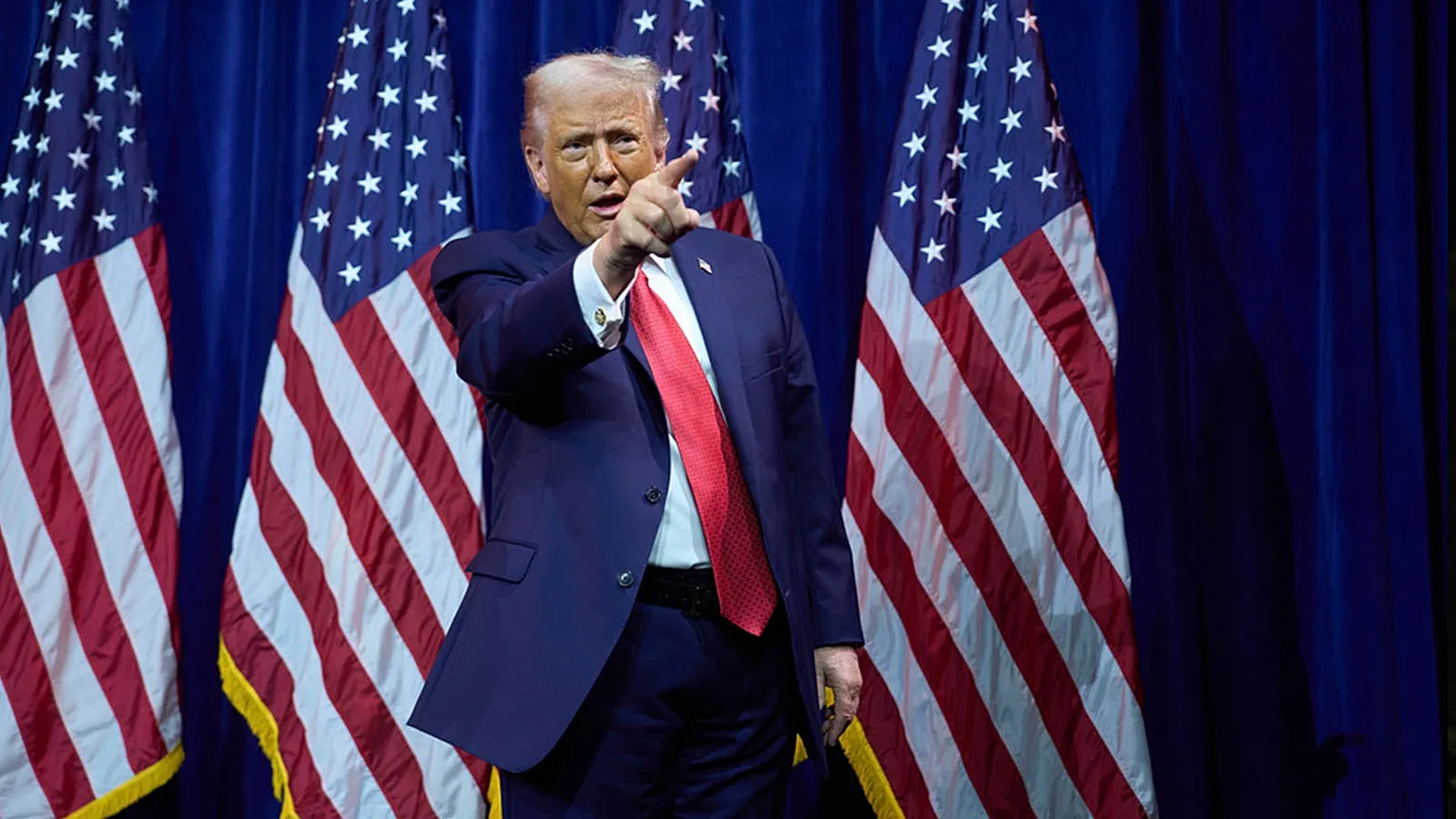
In a move that has sent shockwaves through the corridors of international power, President Donald Trump signed a sweeping executive order on Wednesday to withdraw the United States from 66 international organizations and treaties.
The directive marks the most aggressive retreat from multilateralism in modern American history, effectively dismantling the scaffolding of global cooperation that Washington helped build over the last eight decades. Among the casualties is the 1992 United Nations Framework Convention on Climate Change (UNFCCC)—the bedrock treaty that underpins nearly all global environmental negotiations.
US Secretary of State Marco Rubio defended the “America First” retrenchment, characterizing the targeted institutions as bloated relics of a “globalist project.” In a scathing statement, Rubio argued that these bodies have become “captured by the interests of actors advancing agendas contrary to our own.”
“President Trump is clear: It is no longer acceptable to be sending these institutions the blood, sweat, and treasure of the American people with little to nothing to show for it,” Rubio said. “The days of billions of dollars in taxpayer money flowing to foreign interests at the expense of our people are over.”
The withdrawal from the UNFCCC is particularly significant. While Trump had already signaled a second exit from the Paris Climate Agreement, pulling out of the parent treaty itself leaves the U.S. as the only nation on Earth entirely outside the global climate framework. This move theoretically bars American diplomats from even participating as observers in future climate summits.
The list of exiting bodies reflects a broad assault on international standard-setting and social programs. The U.S. will also sever ties with the UN Population Fund (UNFPA), the Intergovernmental Panel on Climate Change (IPCC), and niche but vital groups like the International Tropical Timber Organization and the International Lead and Zinc Study Group.
Critics were quick to warn of the vacuum this leaves on the world stage. Gina McCarthy, a former top climate adviser, labeled the decision “shortsighted and foolish,” suggesting it cedes trillions of dollars in future clean-energy investment and policy influence to China.
The administration’s “à la carte” approach to global engagement—funding only specific operations that align with Trump’s immediate agenda—has already led to staffing cuts and project closures across the UN system. Humanitarian groups warn that the withdrawal from reproductive health and migration panels will have immediate, life-altering consequences for millions in the developing world.
As the U.S. pulls back, the remaining 190+ nations are left to navigate a new era of global governance without its traditional leader. For the Trump administration, it is a long-overdue housecleaning; for the rest of the world, it is the fracturing of a global order.

