



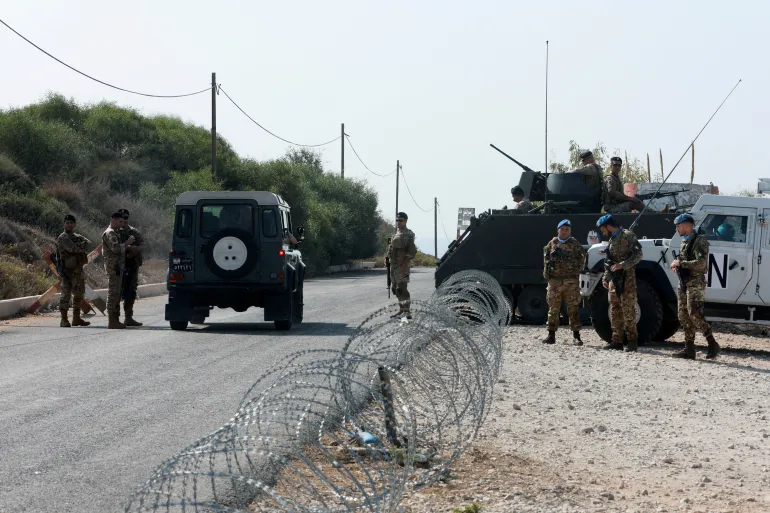
The fragile truce between Israel and Hezbollah faced another day of severe strain as Israeli drone strikes across Lebanon killed several people, including a man identified by Israel as a member of Iran’s elite Islamic Revolutionary Guard Corps (IRGC).
The most significant strike occurred in the Ansariyah region of southern Lebanon. The Israeli military confirmed it targeted a vehicle carrying Hussein Mahmoud Marshad al-Jawhari, whom they identified as a member of the IRGC’s Quds Force.
According to military statements, al-Jawhari was allegedly coordinating “Iran-directed terror activities” against Israeli security forces from both Syrian and Lebanese territory. The IRGC has yet to issue a formal response to these claims.
Further north, Lebanon’s National News Agency reported a separate drone strike in the Hermel district. A vehicle traveling on the Hosh al-Sayyed Ali road was struck, resulting in the deaths of two individuals.
The violence continued into Thursday afternoon. A pickup truck was targeted at the entrance to Safad al-Batikh, a town in the Bint Jbeil district. In a brief dispatch, the Israeli army confirmed it had also killed a Hezbollah member in a separate operation.
These latest air raids come as part of a surge in hostilities that have persisted despite a ceasefire brokered in late 2024. While the agreement was intended to halt more than a year of devastating cross-border warfare, the reality on the ground remains volatile.
The human cost of these persistent “truce violations” is mounting. United Nations data suggests that over 300 people have been killed in Lebanon since the ceasefire was signed, with civilians making up nearly half of the casualties.
For residents in southern Lebanon, the sounds of drones have become a hauntingly permanent fixture of daily life. The strikes on Thursday followed a Wednesday night attack in Jennata that left a passer-by injured after a missile hit a civilian vehicle.
Israel defends its continued military activity by claiming it must act against Hezbollah’s infrastructure. Officials in Jerusalem have repeatedly called for the full disarmament of the group, a core but contentious demand of the ceasefire monitoring mechanism.
Meanwhile, diplomatic pressure is reaching a fever pitch. United States-led talks continue behind closed doors, attempting to stabilize a deal that many fear is collapsing under the weight of daily kinetic exchanges and targeted killings.

