



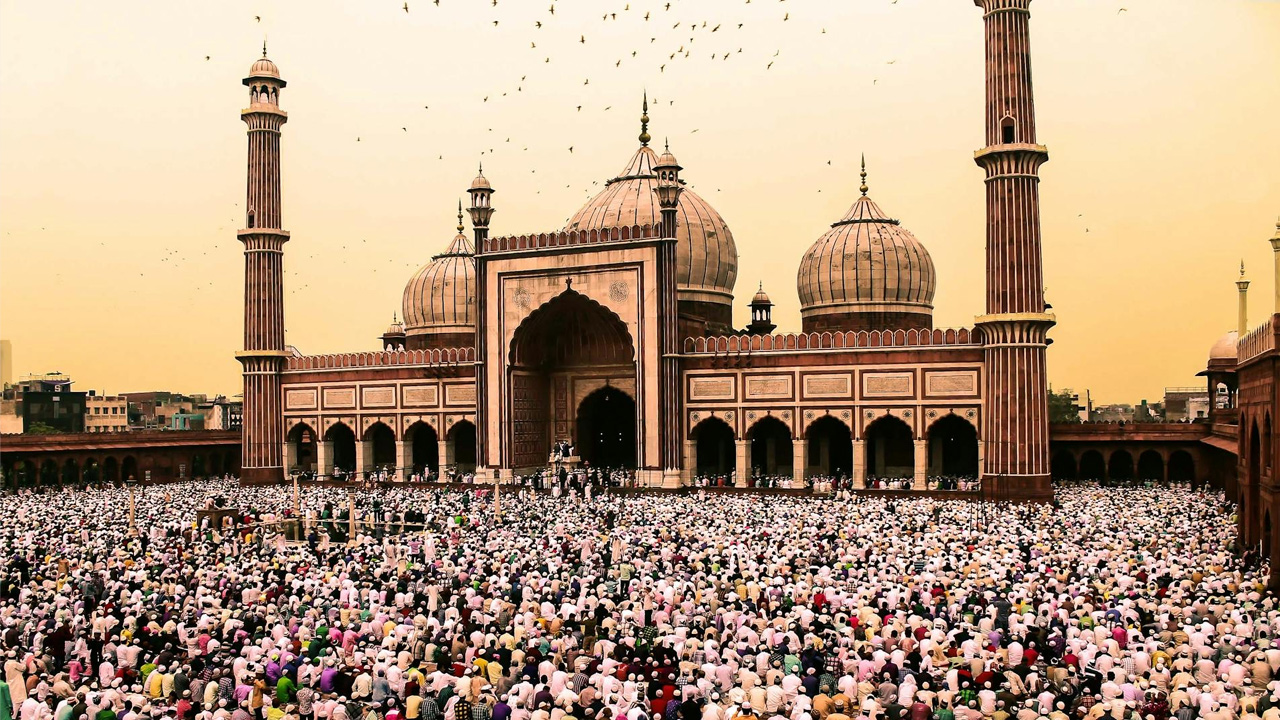
While modern mosques are often viewed strictly as houses of prayer, historical analysis reveals that the original Prophetic model was a vibrant, multi-functional hub that anchored every aspect of Muslim life.
Renowned Islamic scholar Dr. Jasser Auda suggests that reclaiming this “community center” spirit is essential for addressing the contemporary crises facing the Muslim world. During the era of Prophet Muhammad (PBUH), the mosque in Medina was far more than a silent sanctuary; it was a dynamic space where governance, education, and social welfare intersected.
“To move forward, we must look back at how the mosque functioned as a living institution,” Auda notes, highlighting seven core roles that defined the sanctuary in its golden age.
Foremost was its radical inclusivity. Unlike many modern structures that restrict access, the Prophet’s Mosque was open to all—men, women, children, and travelers alike. Historical records confirm that the Prophet explicitly forbade preventing women from attending, a sunnah that stands in contrast to the cultural restrictions seen in some regions today.
Beyond worship, the mosque served as the community’s primary social net. If a regular congregant was missing for a few days, the Prophet would personally inquire about their well-being, organizing visits for the sick or financial aid for those in sudden need. It was a place of human connection where no one was invisible.
Education and diplomacy also found a home within its walls. From illiterate companions learning to read and write to foreign delegations arriving to debate theology, the mosque was a marketplace of ideas. Remarkably, it even served as a makeshift clinic for the wounded and a venue for disciplined celebration. Records describe African Muslims performing spear dances in the courtyard during Eid, a testament to the mosque’s role as a space for cultural expression.
Crucially, the only activity strictly prohibited was commercial trade. The Prophet was adamant that the mosque remain a space for spiritual and social elevation, untainted by material profit.
By functioning as a parliament, a classroom, and a hospital all at once, the early mosque built a civilization from the ground up. Experts argue that returning to this holistic model—where humanity and spirituality coexist—is the key to a modern Islamic renaissance.

