



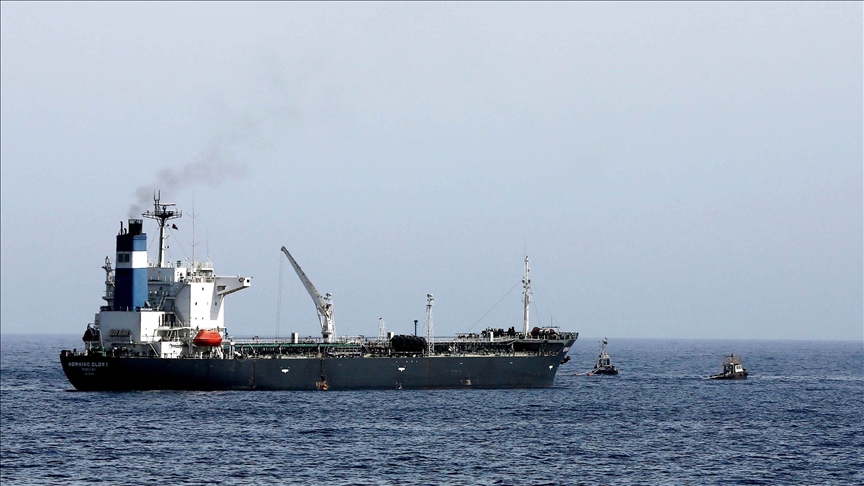
The pre-dawn quiet of the Caribbean was broken Thursday morning as American forces intercepted and boarded the sixth oil tanker caught in a widening net around South American waters. The operation marks another escalation in Washington’s “total and complete blockade” on Venezuelan oil exports.
Marines and sailors from Joint Task Force Southern Spear launched the raid from the deck of the USS Gerald R. Ford. Their target was the Motor Tanker Veronica, a vessel US officials describe as part of a “ghost fleet” designed to bypass international sanctions.
US Southern Command confirmed the seizure on social media, stating the ship was operating in open defiance of the quarantine established by President Donald Trump. The command emphasized that the maritime corridor is now strictly monitored to ensure no unauthorized Venezuelan crude reaches the global market.
“The only oil leaving Venezuela will be oil that is coordinated properly and lawfully,” the statement read. The message from the Pentagon remains clear: the era of unregulated maritime movement for sanctioned regimes in this hemisphere is over.
Homeland Security Secretary Kristi Noem praised the precision of the boarding party, describing the execution as “flawless.” She noted that the Veronica had a history of moving through Venezuelan waters under the radar, characterizing it as a repeat offender in the region’s illicit oil trade.
“As we’ve now demonstrated through multiple boardings, there is no outrunning or escaping American justice—period,” Noem posted. Her rhetoric reflects the administration’s uncompromising stance on maritime enforcement since the blockade began in early December.
This latest apprehension brings the total number of seized vessels to six since December 10. The list of intercepted ships includes the Russian-flagged Bella 1, which was pursued into the North Atlantic, and the Panama-flagged supertanker Centuries.
The maritime crackdown is the naval arm of a much larger, more volatile confrontation between Washington and Caracas. Just weeks ago, on January 3, US forces launched a series of airstrikes against Venezuelan air defenses, leading to the capture of Nicolas Maduro.
Maduro and his wife, Cilia Flores, are currently in US custody in New York. Both recently pleaded not guilty to a litany of federal drug and weapons charges. The vacuum left by their removal has only intensified the struggle for control over the nation’s vast energy resources.
Caracas has repeatedly lashed out at the boardings, labeling the US actions as “international piracy” and a violation of sovereign maritime rights. Venezuelan officials argue the blockade is a chokehold on the nation’s economy that impacts civilians more than leadership.
Washington, however, maintains that the operations are a necessary tool to dismantle the “dark fleet” used to fund criminal activities. With the USS Gerald R. Ford and its strike group patrolling the Caribbean, the flow of oil from the region remains firmly under American watch.

