



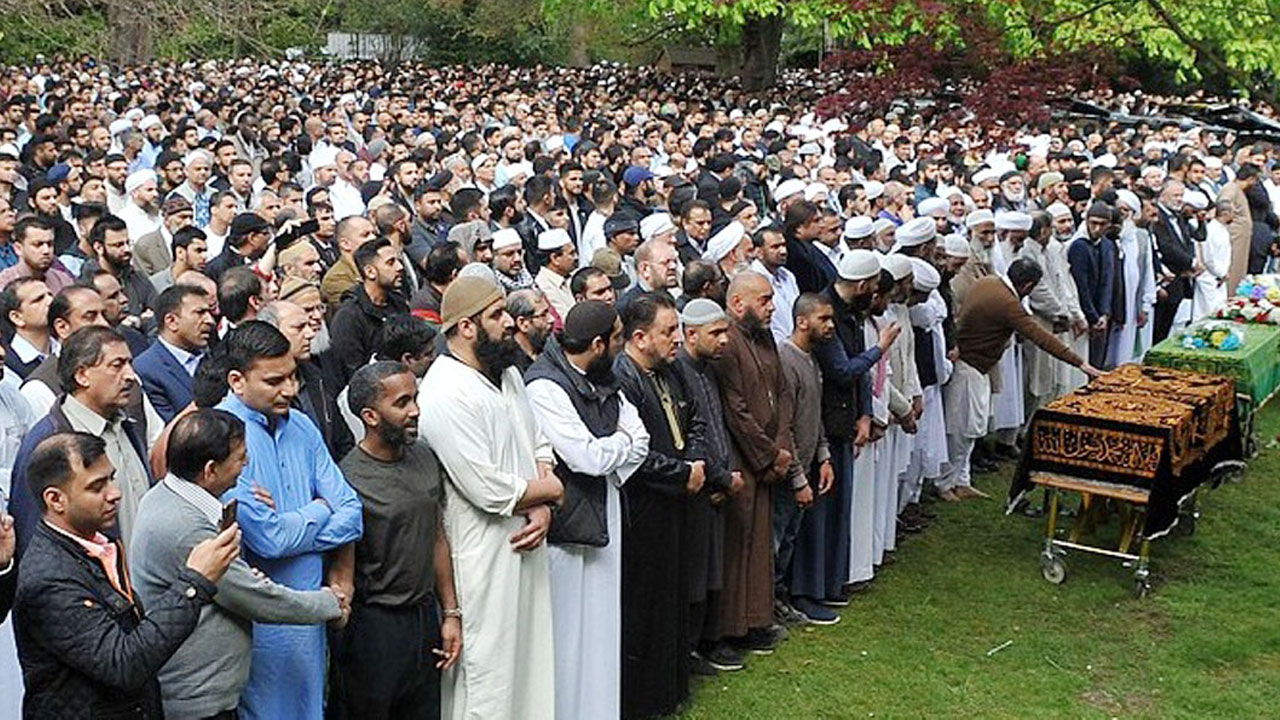
In the moments following a Muslim’s passing, the community’s focus shifts to the final rites—the Janaza and burial. Islamic tradition emphasizes urgency in these matters, guided by the prophetic instruction to avoid unnecessary delays. According to a narration by Tirmidhi, the Prophet Muhammad (SAW) advised his son-in-law, Ali (RA), never to delay three things: the obligatory prayer when its time arrives, the funeral prayer when the body is present, and marriage when a suitable match is found.
Beyond the speed of the burial, the Janaza prayer holds immense spiritual weight. The Prophet (SAW) taught that those who participate in the prayer earn a “Qirat” of reward, and those who stay until the burial earn two. When asked about the scale of a Qirat, he explained that even the smaller of the two is equivalent to the weight of Mount Uhud.
However, a question often arises during these solemn gatherings: Who is most entitled to lead the prayer? The answer, rooted in classical Islamic jurisprudence, balances the rights of the family with the authority of the religious leadership.
Generally, the primary right belongs to the local mosque’s Imam or the legal guardians (the Wali) of the deceased. If both are present, the decision often rests on religious expertise and piety. Historically, prominent successors of the companions, such as Ibrahim al-Nakha’i, argued that the mosque Imam is the most appropriate choice. He famously noted that if a congregation trusts an Imam to lead their daily obligatory prayers, they should certainly trust him to lead the funeral prayer.
Early scholars like Salim, Mujahid, and Ata (may Allah have mercy on them) were known to step aside and defer the leadership of the Janaza to the designated Imam of the locality. This practice maintains order and ensures the prayer is conducted according to established Sunnah.
That being said, the family retains a significant claim. If a relative of the deceased is more knowledgeable in religious law or is a recognized scholar of higher standing than the local Imam, the family members then hold the priority. The Fatawa Hindiyya, a cornerstone of Islamic legal rulings, affirms this hierarchy, ensuring that the final prayer is led by the person most qualified to seek intercession for the departed soul.
Ultimately, the goal of the Janaza is to seek mercy for the deceased. While the law provides a hierarchy, the spirit of the occasion calls for humility and choosing the person best suited to lead the congregation in sincere supplication.

