



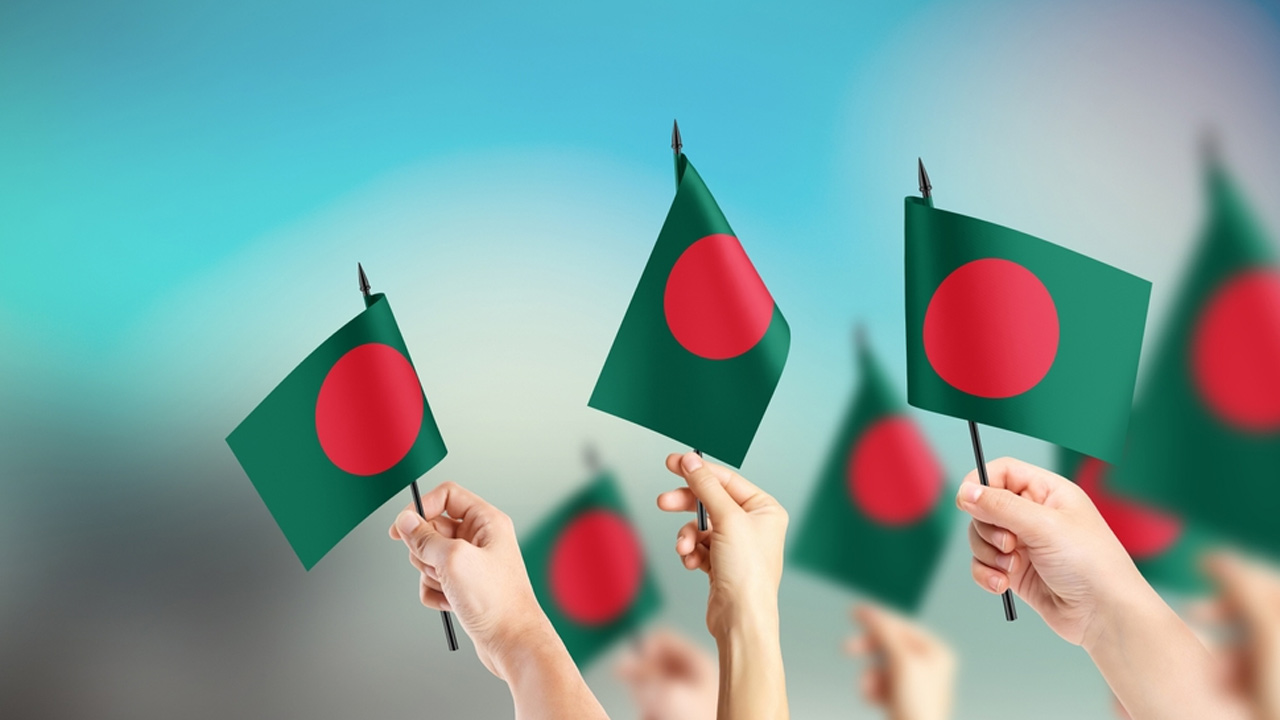
The scent of independence carries a resonance that goes far beyond the mere celebration of a date; it is the awakening of a nation’s soul. Within the boundaries of one’s own land, beneath one’s own flag, lies the true sanctuary of a people’s honor, security, and identity.
The joy of breaking the shackles of oppression and standing tall is a feeling unique to those who have traversed a path paved with sacrifice, blood, and tears. For the people of Bangladesh, December 16, 1971, was that sacred moment—the end of a blood-stained chapter and the dawn of a new sun. Our independence was earned through nine months of immeasurable courage and resolve, yet it remains, above all, a profound blessing (ni’mat) bestowed by the Almighty.
History is replete with tales of conquest, but not all victories are created equal. Some are born of arrogance and greed, leaving destruction and trampled humanity in their wake. Others, however, carry the light of truth, justice, and the welfare of mankind.
Islam teaches us that true victory is not defined solely by the defeat of an enemy. Rather, it is found in the establishment of justice (insaf), the nurturing of human values, and the pursuit of Divine pleasure. When the ruling powers of the time used the guise of religion to enforce a reign of inequity and cruelty, exposing that facade became a moral imperative. Our liberation struggle was a stand for Haq (truth) against Zulm (oppression).
Victory is more than celebration; it is inseparable from gratitude and responsibility. The Holy Qur’an presents two contrasting images of victory. One is the imperialist conquest that spreads corruption and humiliates the honorable (Surah An-Naml, 34). The behavior of the then-rulers mirrored this—despite sharing a faith, they betrayed the trust of brotherhood through 24 years of systemic exploitation.
The second is the idealistic victory, characterized by the establishment of prayer, the distribution of charity (Zakat), and the promotion of virtue (Surah Al-Hajj, 41). Our victory aligns with this divine mandate. We fought to reclaim our social, civic, and religious rights, turning a landscape of genocide into a foundation for a just society.
The true character of a nation is revealed in the moment of triumph. History’s greatest example of this is the Conquest of Mecca, when the Prophet Muhammad (PBUH) declared a day of mercy rather than bloodshed, pardoning his long-time persecutors.
A similar echo of this nobility was heard at the Suhrawardy Udyan on December 16, 1971. Despite the immense trauma of the war, the joy of the millions gathered was not marred by vengeful bloodletting. The spirit of that day was one of liberation and a commitment to the martyrs who gave their lives so that we might live in dignity.
The martyrs of the liberation war are the nation’s greatest pride. On this Victory Day, our duty is not merely to rejoice but to pray for their souls and embody the ideals for which they fell. True gratitude for this divine gift lies in building a society rooted in honesty, empathy, and moral integrity.
Independence is not a historical coincidence; it is a trust. To honor it, we must keep the flame of justice alive in our hearts and actions, ensuring that our freedom remains meaningful for generations to come.

